BSCI Audit for an EVA Foam Mat Factory: Buyer Checklist
Review the factory audit, production-site details and supporting information when assessing an EVA foam mat supplier.
NEWIN BEST · BUYER RESOURCES
Explore product specifications, OEM planning, test documents and care advice—all in one place.
THE KNOWLEDGE LIBRARY
Browse by topic or find a specific question.
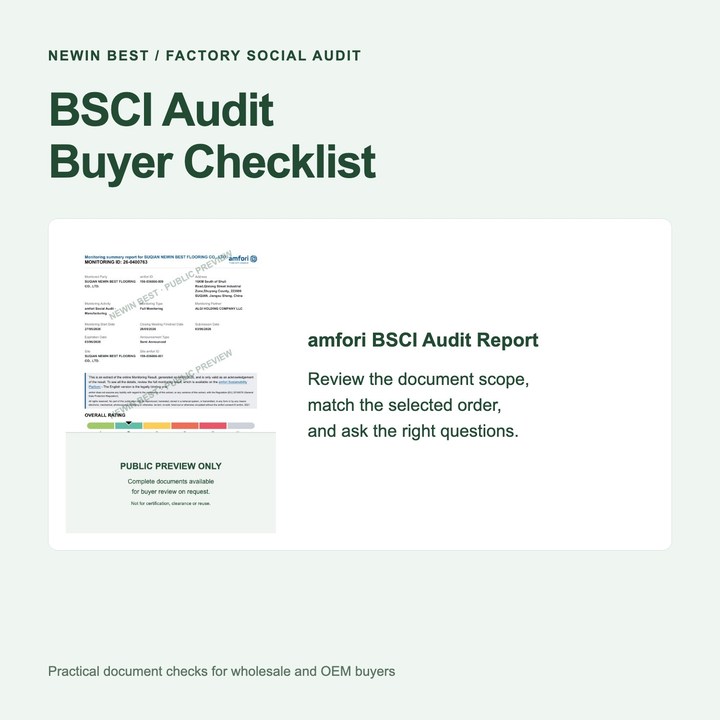
Review the factory audit, production-site details and supporting information when assessing an EVA foam mat supplier.
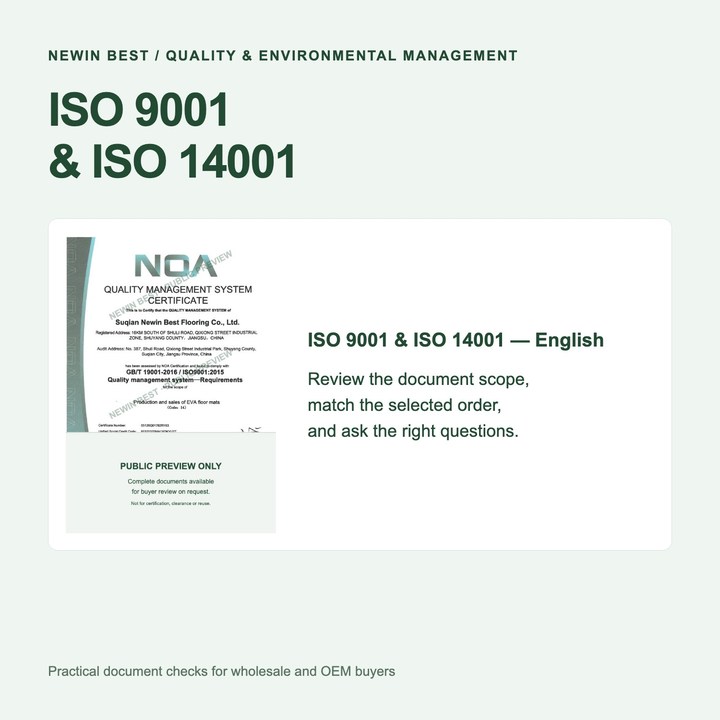
Understand the scope of ISO management-system documents and the production information to request from your mat supplier.
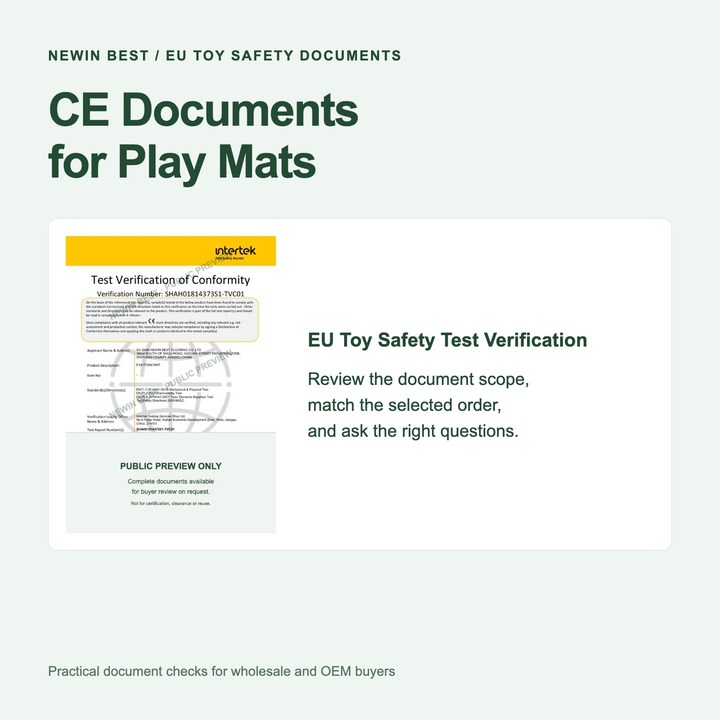
A buyer’s overview of product classification, test records and the documents to review for an EVA puzzle play mat.
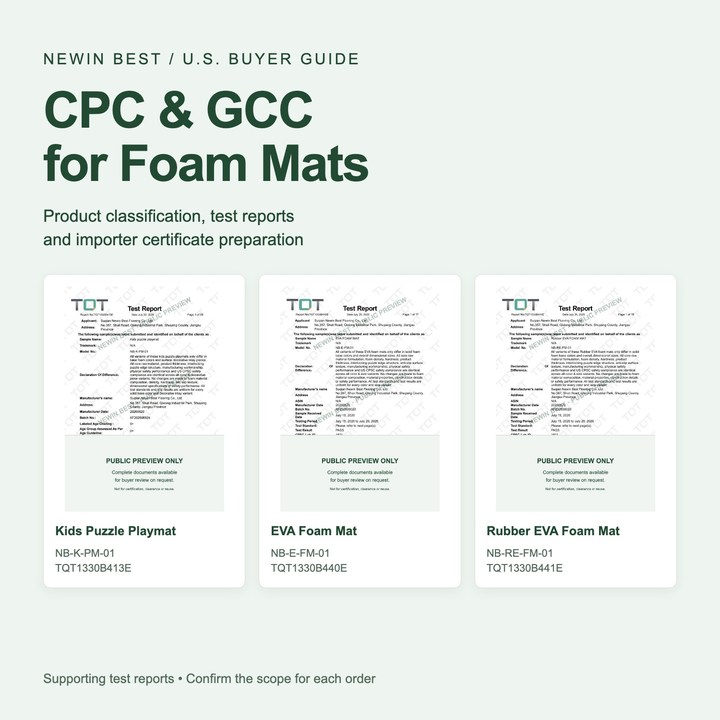
Compare CPC and GCC requirements for U.S. foam mat imports. Review three Newin Best test reports, product scope, importer responsibilities and eFiling.
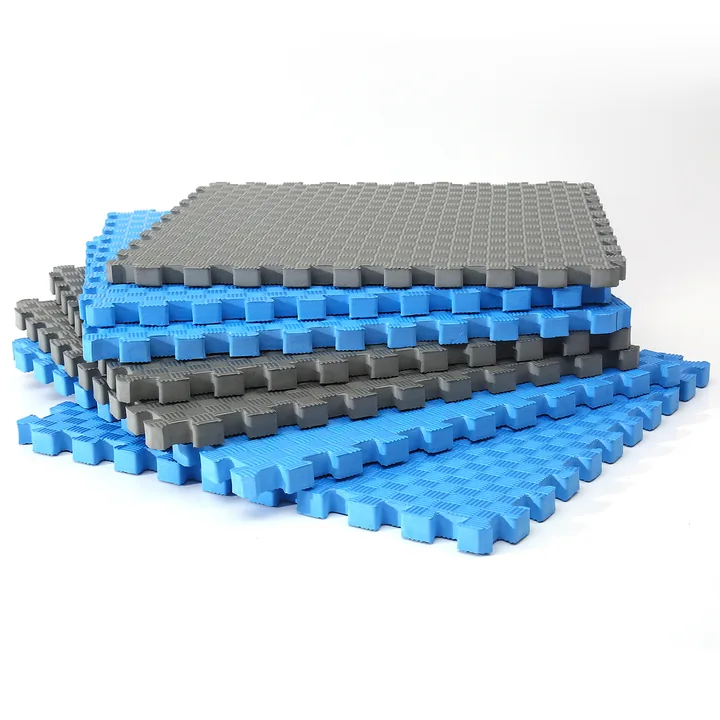
Plan an EVA mat shipment from the finished packing list. Tile dimensions help estimate foam volume, but cartons, pallets, surface layers and the loading arrangement determine the space and gross weight used for freight.
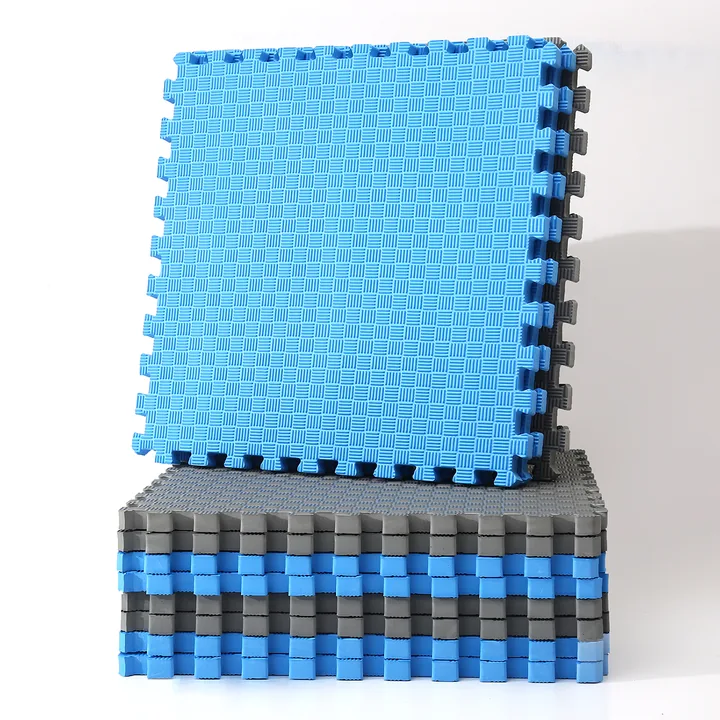
A product name alone cannot establish the customs classification or duty payable on an EVA mat. Prepare a clear description of the finished construction and have the destination importer or customs broker confirm the classification before shipping.
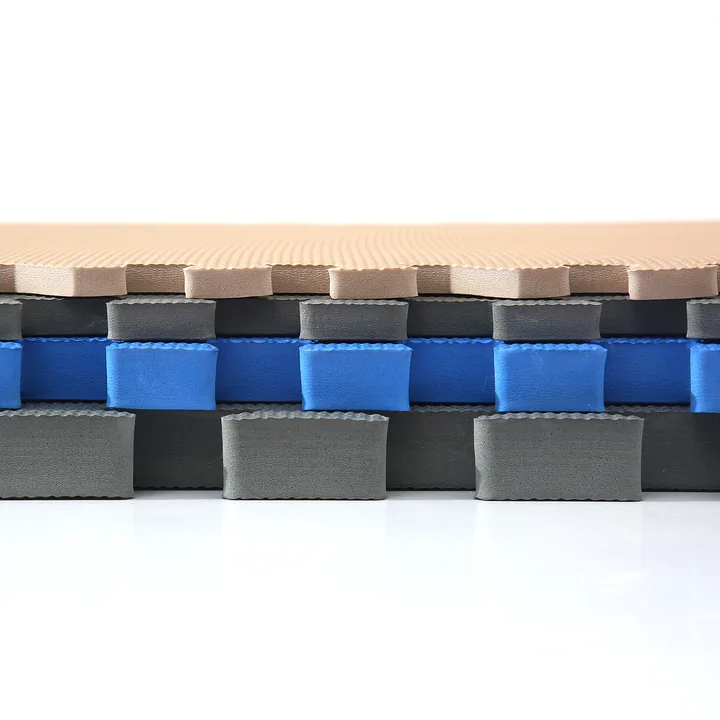
The manufacturing route depends on the formulation and surface construction. This guide outlines the stages buyers can review with Newin Best when approving a finished EVA foam mat.
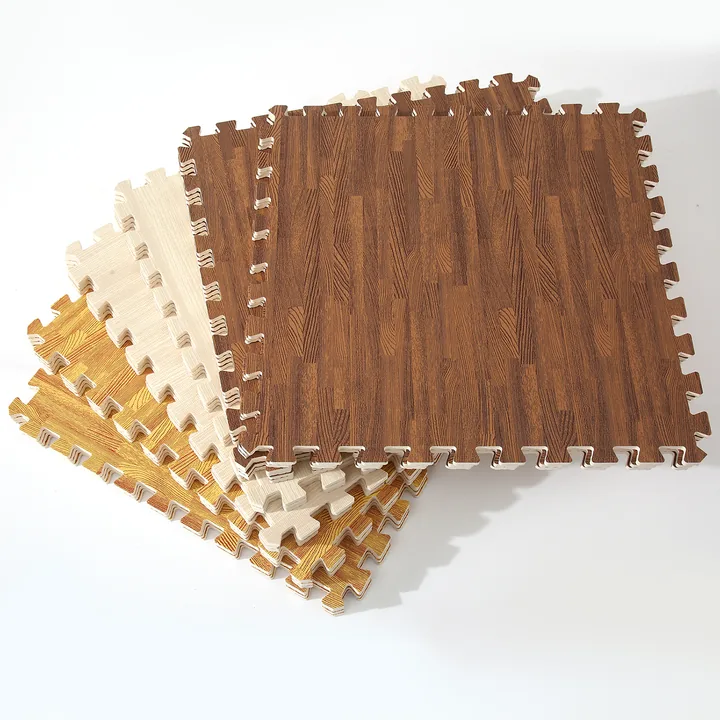
Choose a mat by its construction, intended use and supporting evidence. The names EVA, PVC and XPE describe material families, but formulations, layers and manufacturing methods vary between products.
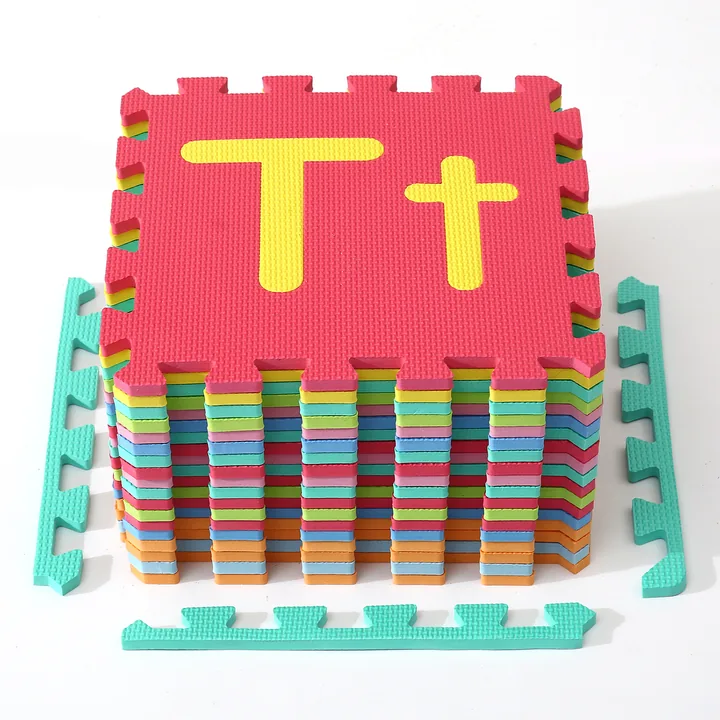
The word EVA describes a material family; it does not establish the safety of every finished mat. Buyers should connect each safety claim to a defined model, intended use and relevant product report.
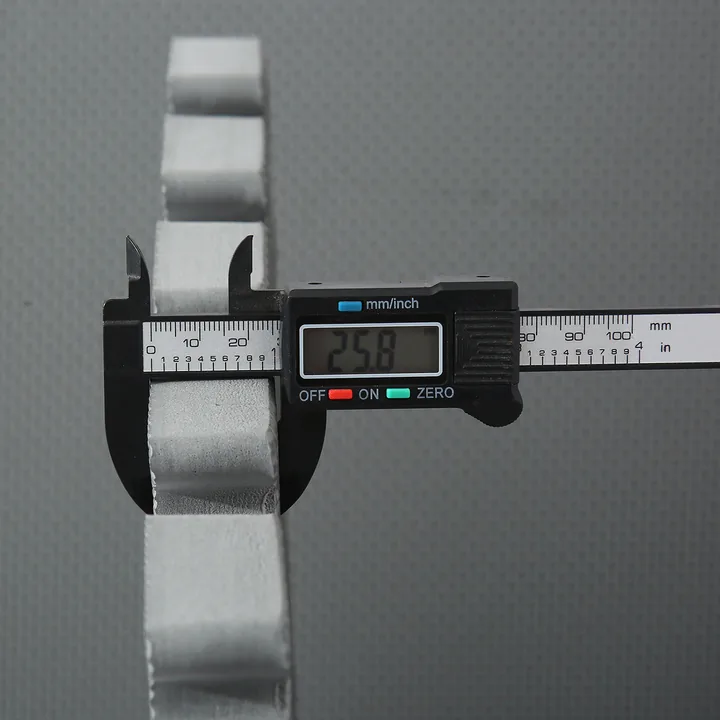
Thickness is one selection variable. Review it alongside foam density, hardness, surface construction, tile dimensions and the intended floor use, then evaluate a sample before approving the specification.
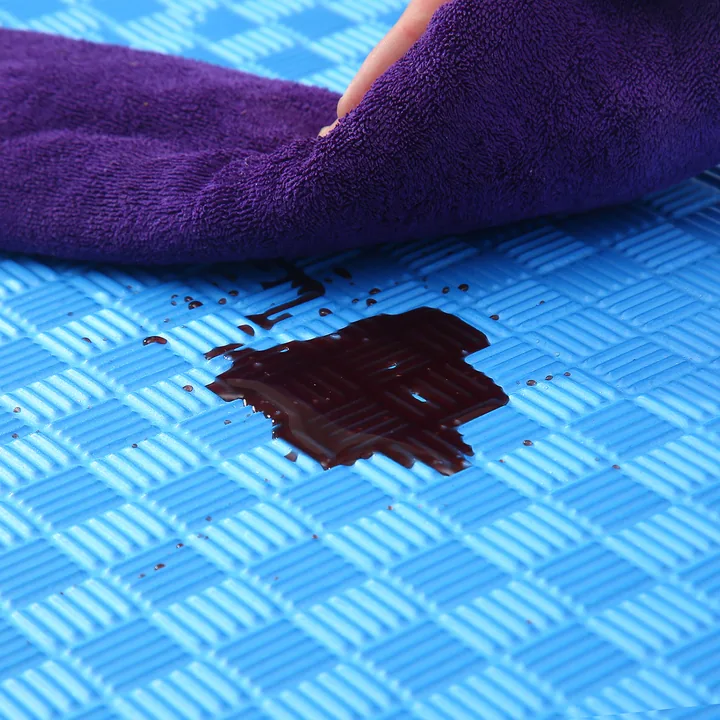
Use the care instructions for the selected mat. Plain EVA tiles, printed surfaces, textile finishes and rubber-faced products may require different cleaning methods.
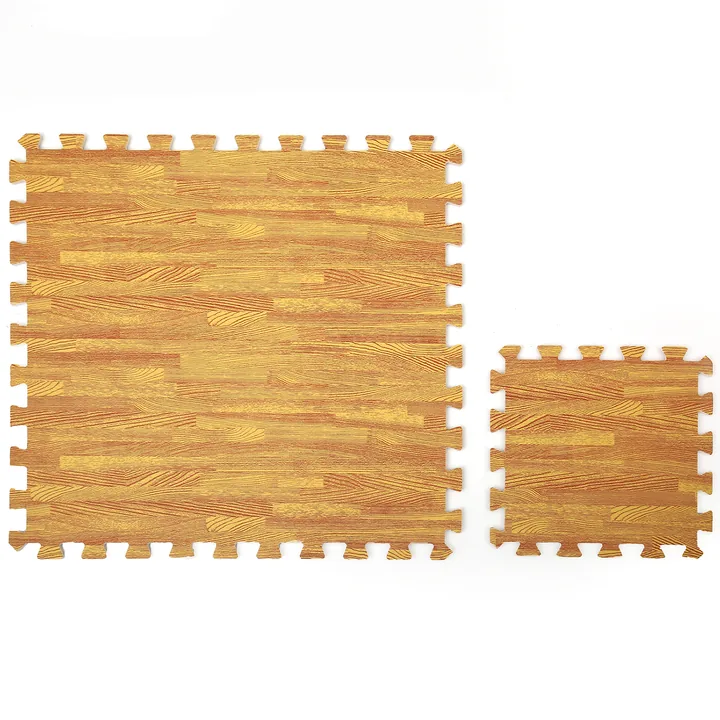
Calculate coverage from the installed usable size of the selected tile. Nominal dimensions, interlocking edges and border strips can affect the final floor layout.
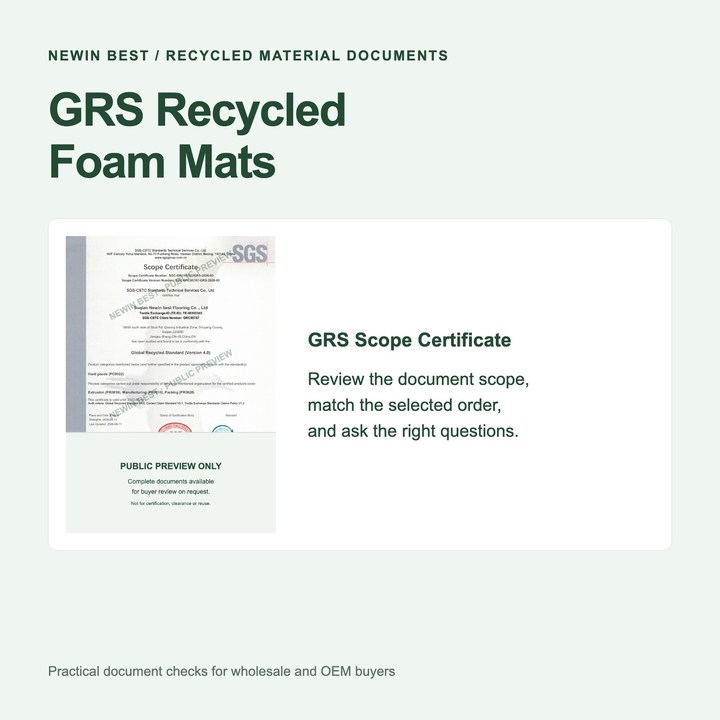
Review the GRS scope certificate, listed materials and order-specific records before selecting a recycled foam product.
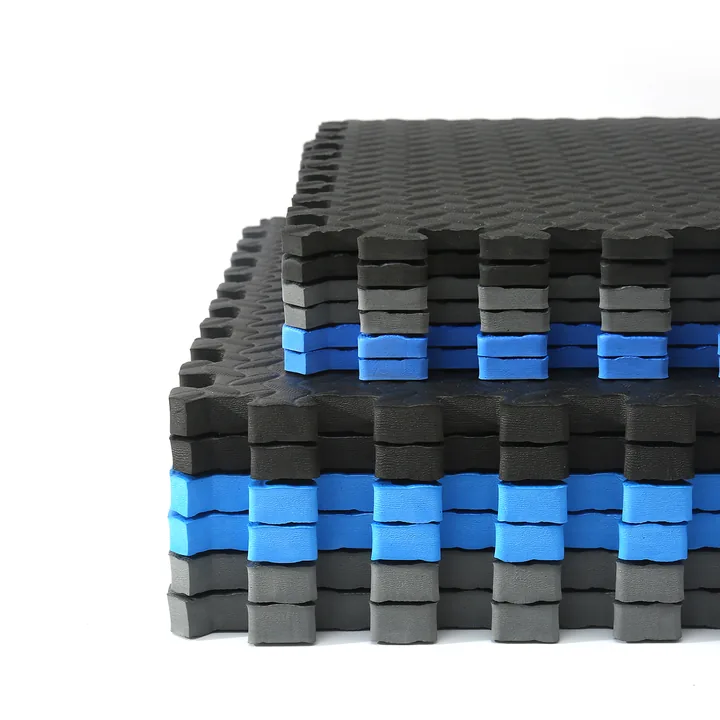
Store the selected model according to its care and packing instructions. Clean, dry tiles and a suitable storage arrangement make it easier to inspect and reuse an interlocking layout.
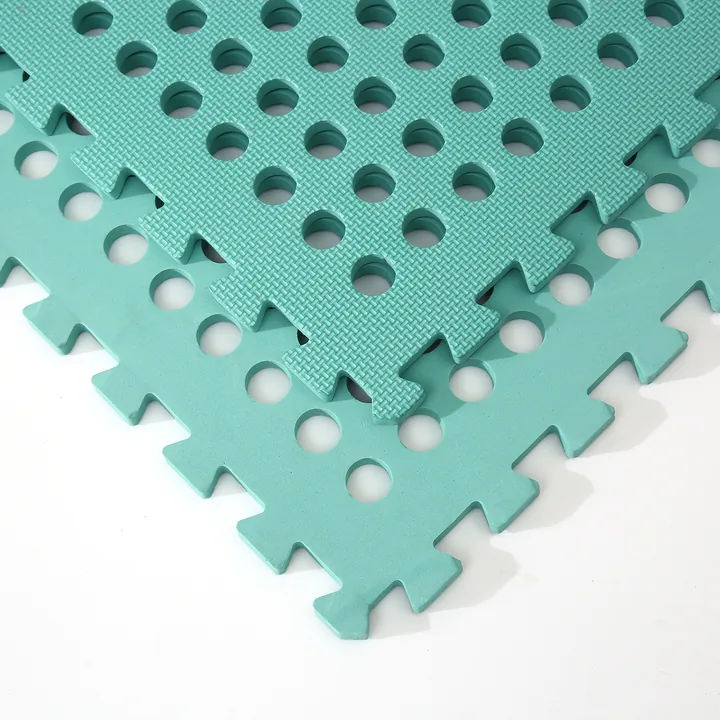
Perforations can allow water to pass through a tile when the surface below provides drainage. They do not by themselves establish wet-slip resistance, chlorine tolerance or outdoor service life.
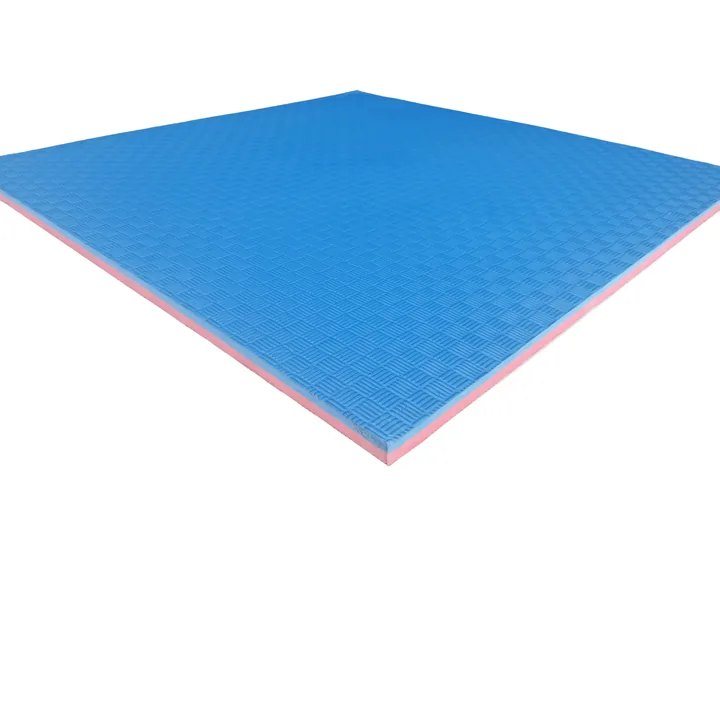
A tatami-style texture describes the surface appearance. Suitability for a martial art depends on the full mat design, installation and training requirements, rather than texture or thickness alone.
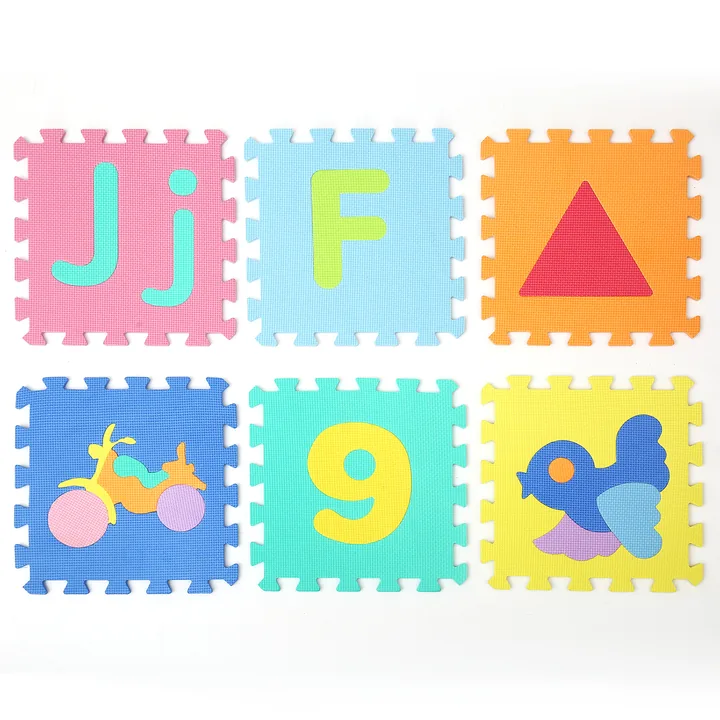
Review a play mat as a finished children’s product with a defined design and intended age group. A material name or chemical report alone cannot settle every safety requirement.

Plan the floor around your activities and equipment before selecting an EVA tile. Confirm the model, usable tile size and installation instructions, then build a row-and-column layout.
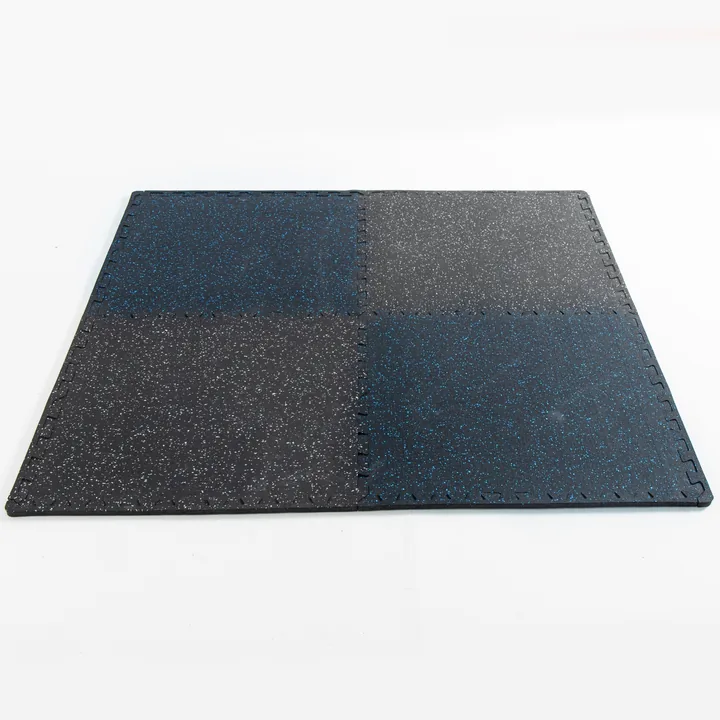
Compare flooring by finished construction and expected use. Plain EVA foam, rubber-faced EVA and solid rubber flooring are different products and should not be treated as interchangeable.
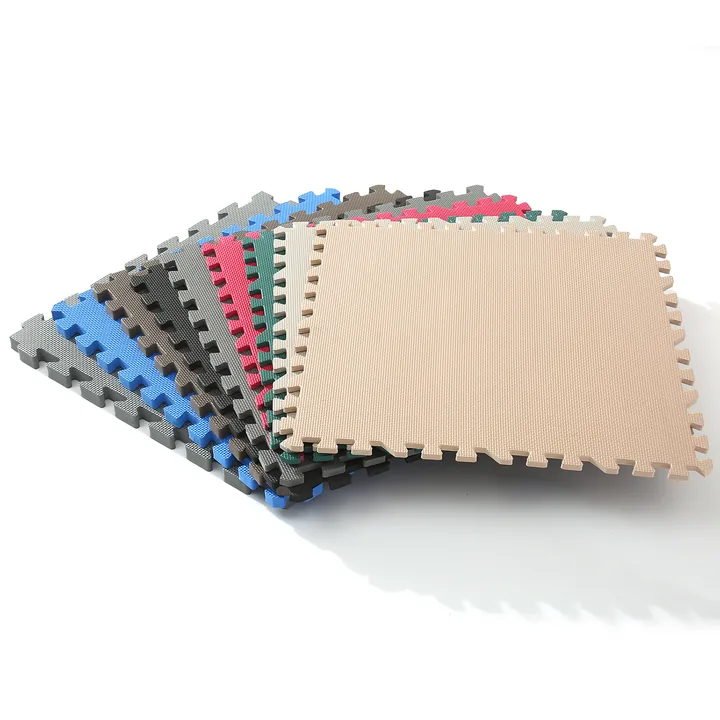
A useful wholesale quotation starts with a clear model and packing requirement. Send enough information for the factory to quote the same product that you intend to sell.
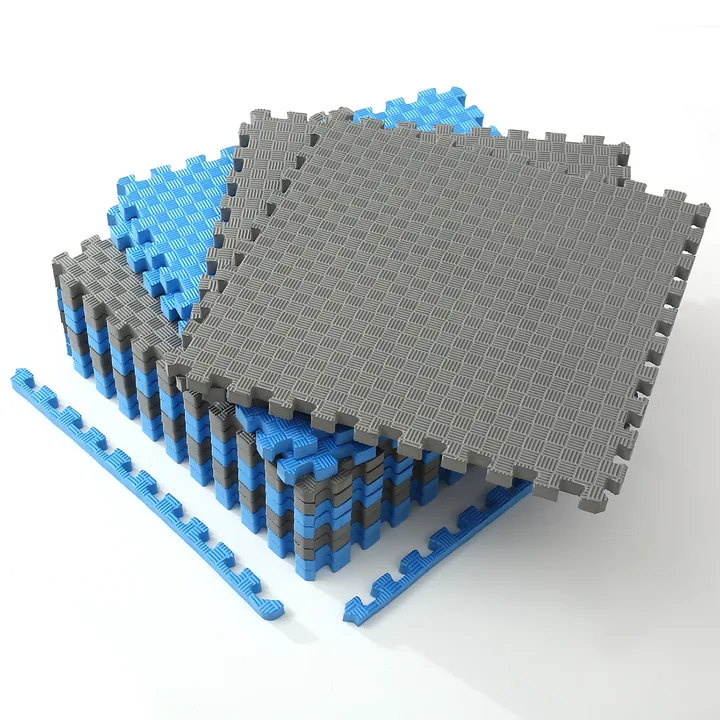
Discuss branding with the factory for the selected mat construction. Available printing, embossing or other methods depend on the surface, artwork, volume and manufacturing review.
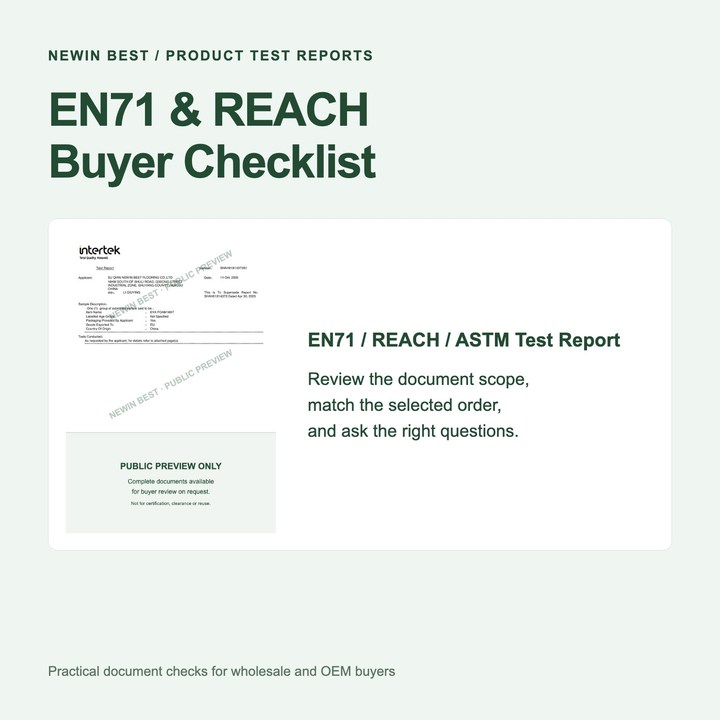
Learn how to match EN71 and REACH-related reports to the tested sample, selected model and intended market.
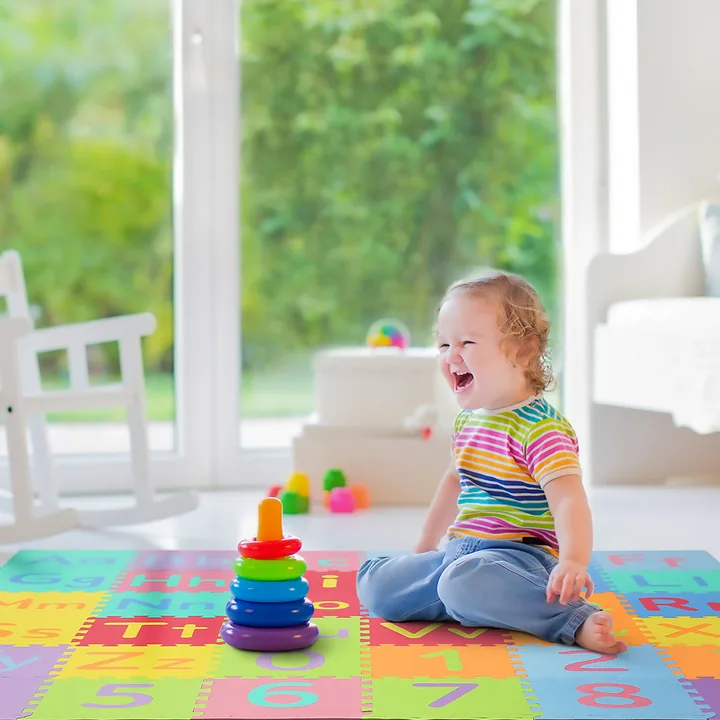
EVA foam tiles and XPE foam products can differ in construction, finish and format. Compare the specific finished products against your market requirements rather than assuming a universal winner.
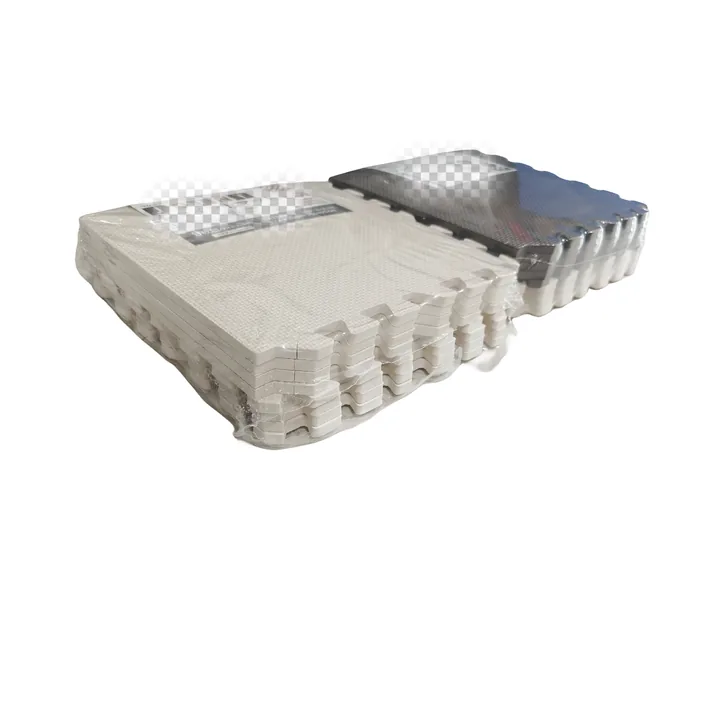
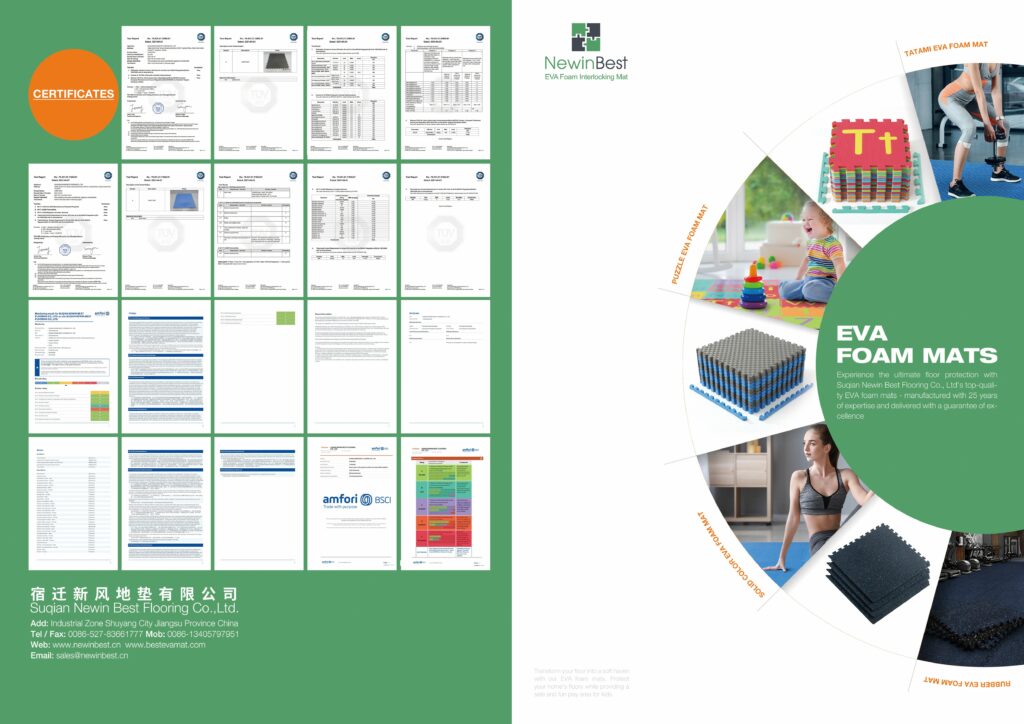
Newin Best publishes document scans for supplier review. Buyers requesting a recycled-content product should confirm the current scope, model coverage and order records before approving a claim.
This is an archived Newin Best exhibition announcement from 2023. It is retained as company history and is not an invitation to a current event.

Review the actual puzzle design before choosing it for a children’s product range. Confirm intended age, detachable pieces, test documents and instructions for the market where it will be sold.
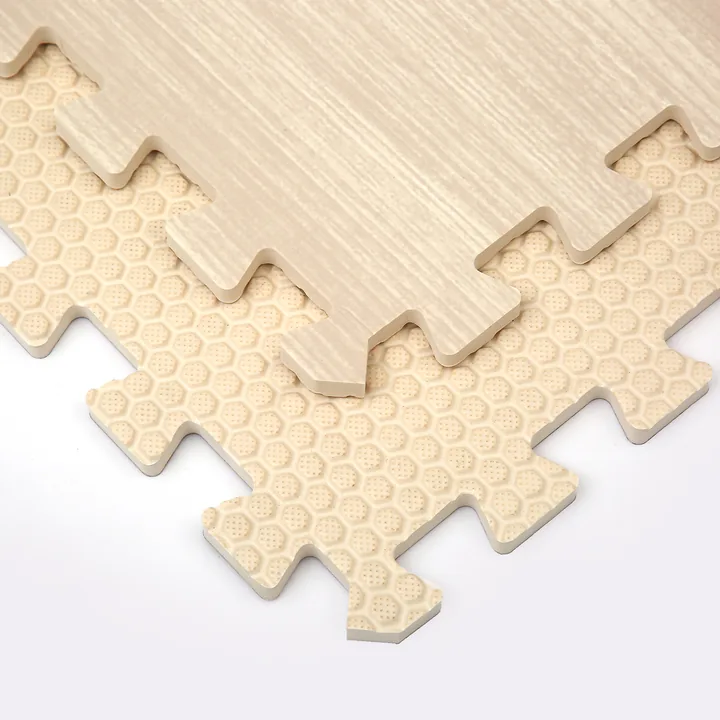
Safety depends on the finished model, intended users, use conditions and applicable requirements. The material name EVA is a starting point for specification, not a complete safety assessment.

EVA foam mats are offered in several textures and surface finishes. Select the style by project requirements and sample review, then confirm the documentation and installation details.
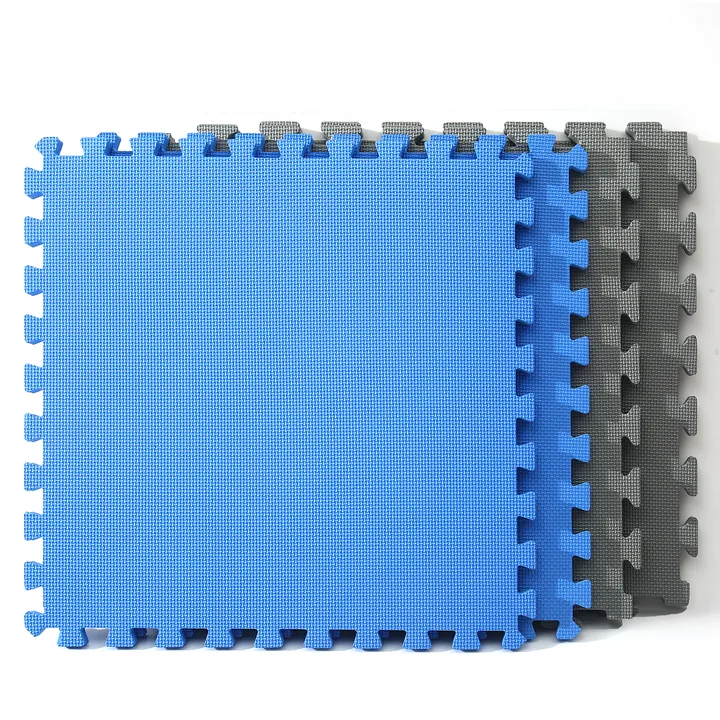
Start with the use, market and installation conditions, then compare finished models. A practical specification is more useful than choosing solely by a photo, price or thickness.
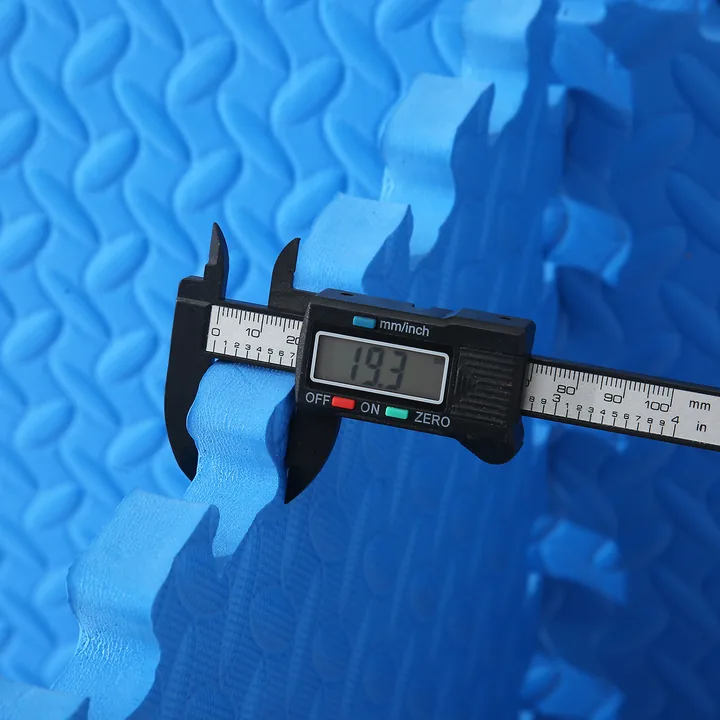
Judge a mat against an agreed specification and reference sample. Appearance and feel can reveal differences, but they do not replace measured dimensions or applicable product reports.
No guides match your search. Try another topic or clear your search.
Tell us your preferred style, specification and destination market.