
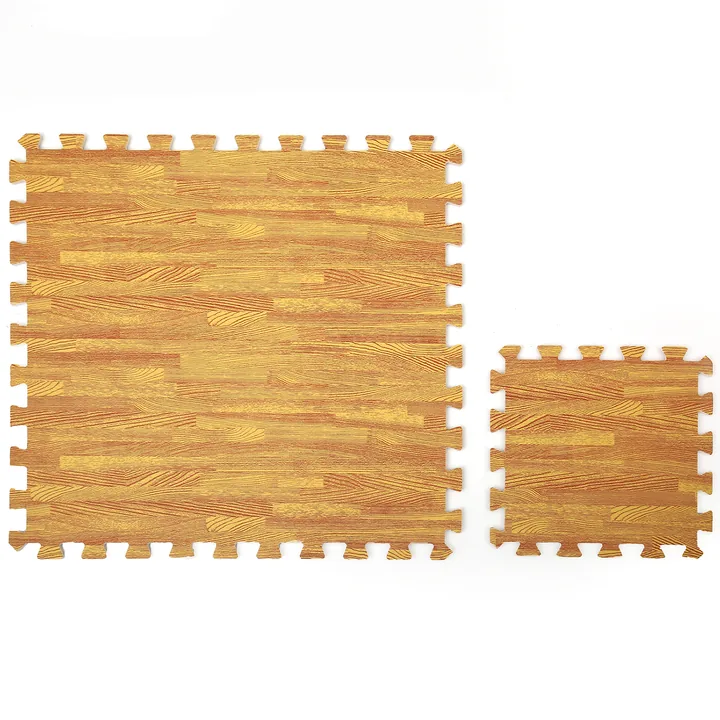
Calculate a first area estimate
For a square tile, area equals usable width multiplied by usable length. A nominal 30 × 30 cm tile gives 0.09 m²; 60 × 60 cm gives 0.36 m²; 1 × 1 m gives 1 m². These are mathematical examples, not confirmation that every Newin Best model is available in each format.
Convert the room into a row-and-column plan
A rectangular 3 × 4 m room would require 5 × 7 nominal 60 cm tiles, or 35 tiles, before accounting for edge geometry and cutting. The area-only estimate is 12 / 0.36 = 33.33, rounded to 34, so it understates this rectangular grid. Draw the layout, identify cut edges and confirm whether offcuts can be used.
Account for borders and obstacles
Measure recesses, columns and thresholds. Edge strips may extend the finished dimensions and affect the cut plan. Obtain the installed dimensions and edge-strip arrangement from the supplier, then decide how many spare tiles are needed for cutting and later replacement.
Confirm packing and compatibility
Ask for tiles per set, sets per carton and external carton dimensions. Tiles with a similar nominal size may have different joint profiles or thicknesses and may not connect. Match the model and approved sample when ordering additions or replacements.
| Nominal square tile example | Area before edge adjustments |
|---|---|
| 30 × 30 cm | 0.09 m² |
| 60 × 60 cm | 0.36 m² |
| 100 × 100 cm | 1.00 m² |
Calculated examples are for planning only. Confirm actual model dimensions and the approved specification before ordering.